When building owners look for ways to control operating costs, maintenance is often one of the first areas on the chopping block. Reactive maintenance can appear attractive because it avoids scheduled expenses and only requires spending money when something breaks. At first, this approach feels efficient and budget-friendly.
Over time, reactive maintenance almost always proves more expensive than preventative maintenance.
The difference is not always obvious on a single invoice, but it becomes very clear when viewed across an entire commercial building or portfolio.
First, let’s take a look at the pros and cons of reactive versus preventative maintenance.
What is Reactive Maintenance?
Reactive maintenance means repairs are made only after something stops working or malfunctions. Instead of servicing equipment on a schedule, building maintenance teams respond to issues as they occur, often under pressure. This might mean fixing an HVAC unit after it stops cooling, repairing a leak once water damage becomes visible, or responding to an electrical issue after it causes an outage.
This approach is common in properties trying to reduce short-term spending or avoid taking systems offline for planned service. In some limited cases, reactive maintenance can work for low-impact assets. The challenge is that most building systems are too important and too expensive to manage this way for a prolonged period of time.
What is Preventative Maintenance?
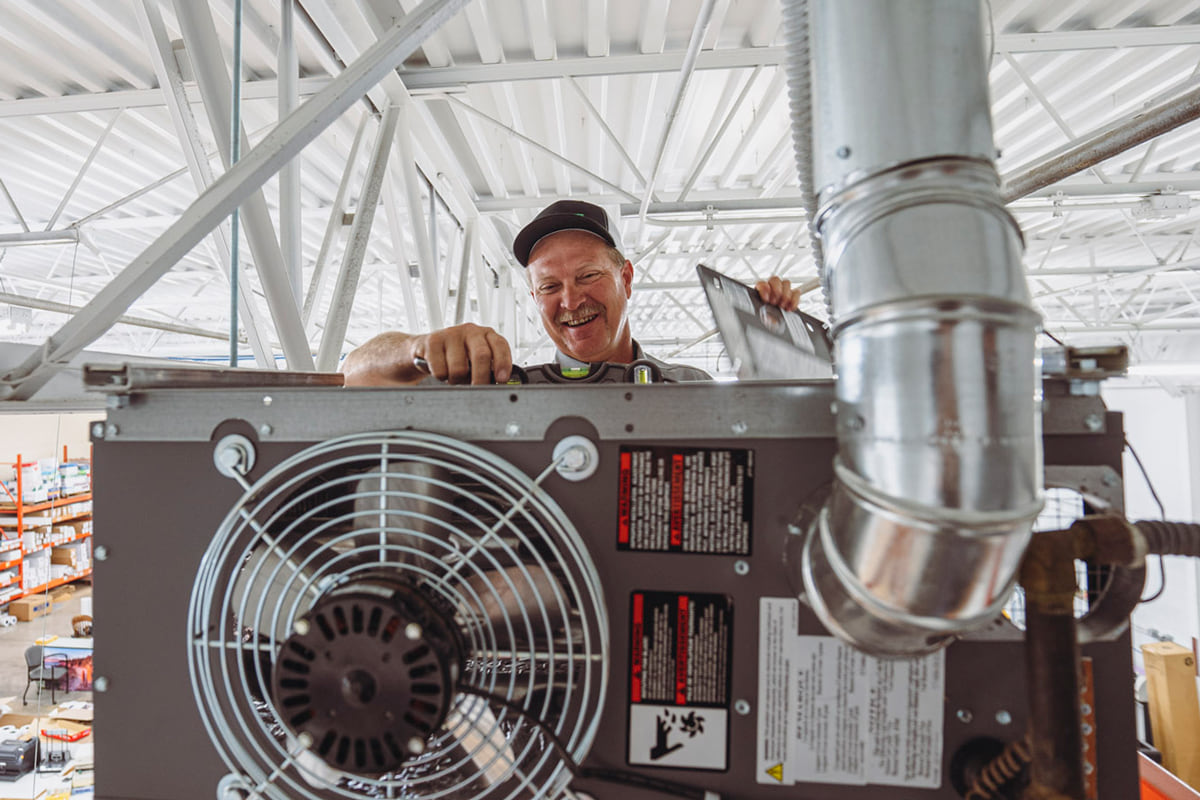
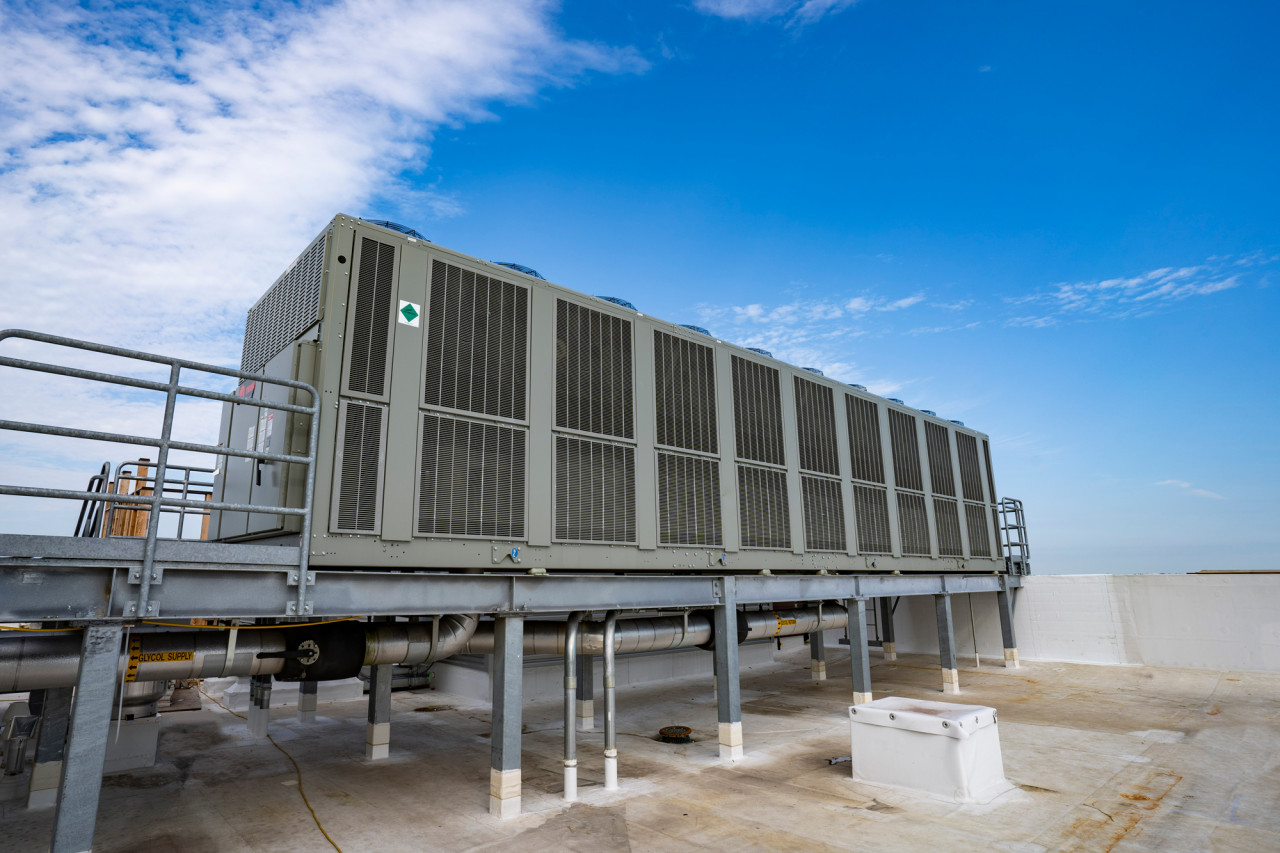
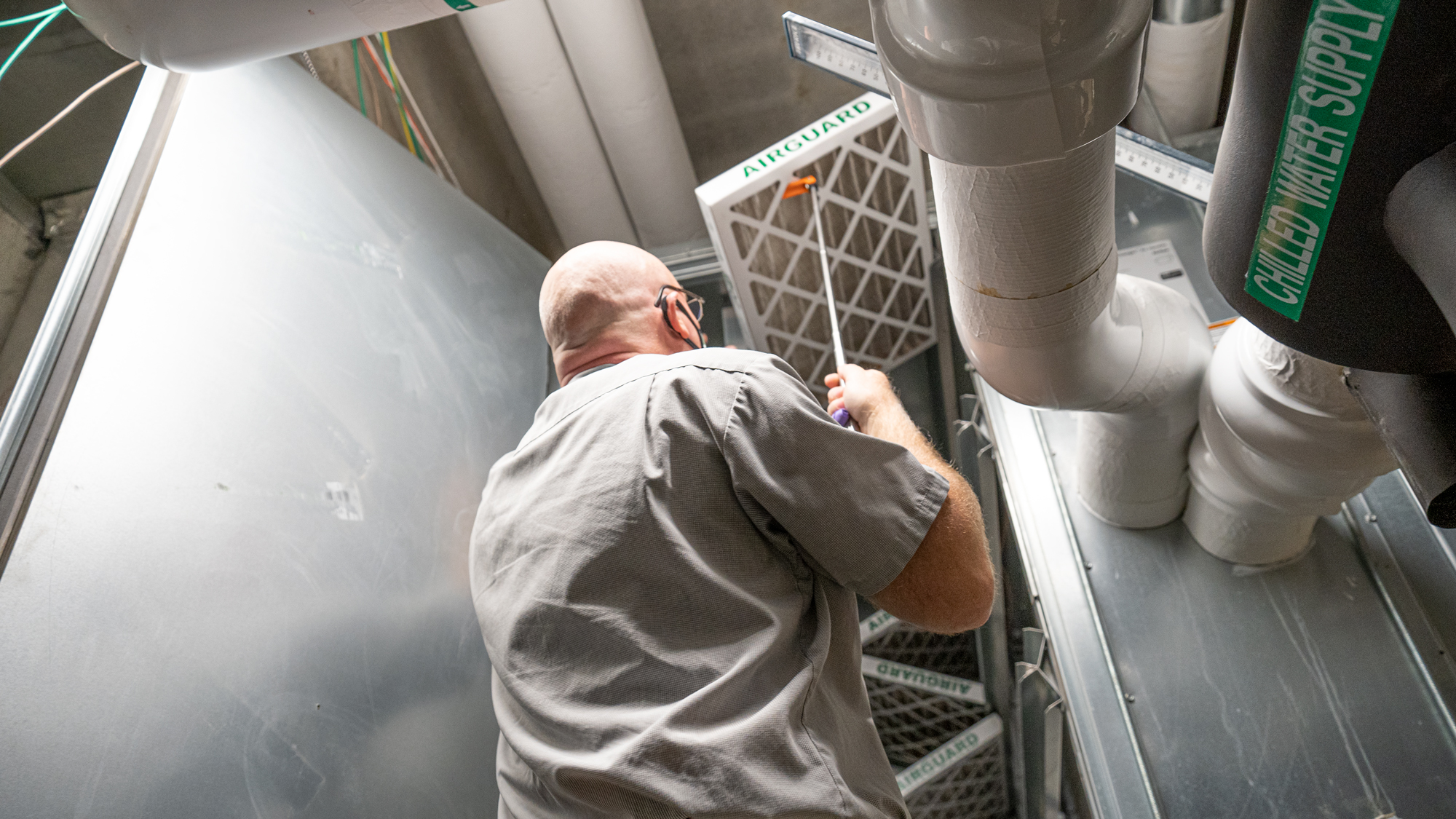
Preventative maintenance takes the opposite approach from reactive maintenance. Rather than waiting for failure, equipment is serviced on a planned schedule in order to reduce breakdowns, extend asset life, and prevent costly emergencies. Routine inspections, seasonal HVAC service, drain clearing, electrical testing, and early repairs are all examples of preventative work that help keep systems running reliably.
While preventative maintenance does require consistent planning and includes scheduled costs even when nothing seems wrong, it provides stability that reactive maintenance cannot.
The True Cost of Reactive Maintenance
The true cost of reactive maintenance is rarely limited to the repair itself. Emergency fixes often come with premium labor rates, rushed parts ordering, and limited vendor availability. A repair that could have been handled during normal business hours becomes far more expensive when it turns into an urgent after-hours call.
Reactive maintenance also allows small problems to grow into major failures. Dirty filters, worn belts, clogged drains, and minor electrical issues are all manageable when caught early, but they can quickly lead to system breakdown when ignored. What could have been a simple adjustment could become a major repair or even a full replacement.
Imagine this: a small roofing leak goes unnoticed for months because there’s no regular inspection schedule. By the time water stains appear on a tenant’s ceiling, moisture has damaged insulation, ceiling tiles, and interior walls. What could have been an $800 roof repair becomes a $15,000 project involving roof work, mold remediation, insulation replacement, and interior restoration.
The Financial Advantage of Preventative Maintenance
Preventative maintenance, on the other hand, offers long-term financial advantages. It creates predictable budgeting, reduces surprise emergencies, lowers total repair costs, and helps extend the life of major building systems. Instead of reacting to breakdowns, building owners can plan maintenance investments strategically and avoid costly disruptions.
Just as importantly, preventative maintenance supports a better tenant experience. Reliable heating, cooling, plumbing, and electrical systems mean fewer complaints, smoother operations, and stronger tenant relationships.
Just think: a property manager schedules quarterly HVAC filter changes and annual tune-ups at a cost of about $2,400 per year. Over five years, the building spends $12,000 on preventative HVAC care. A neighboring building with similar equipment skips regular maintenance to save money. Their system fails during a summer heat wave, requiring a $28,000 emergency replacement, plus temporary cooling equipment rental. The preventative approach saved over $16,000 while avoiding three days of tenant complaints and a potential lease termination.
Reactive maintenance may seem cheaper in the short term, but for most commercial buildings, preventative maintenance is almost always the more cost-effective strategy over time.
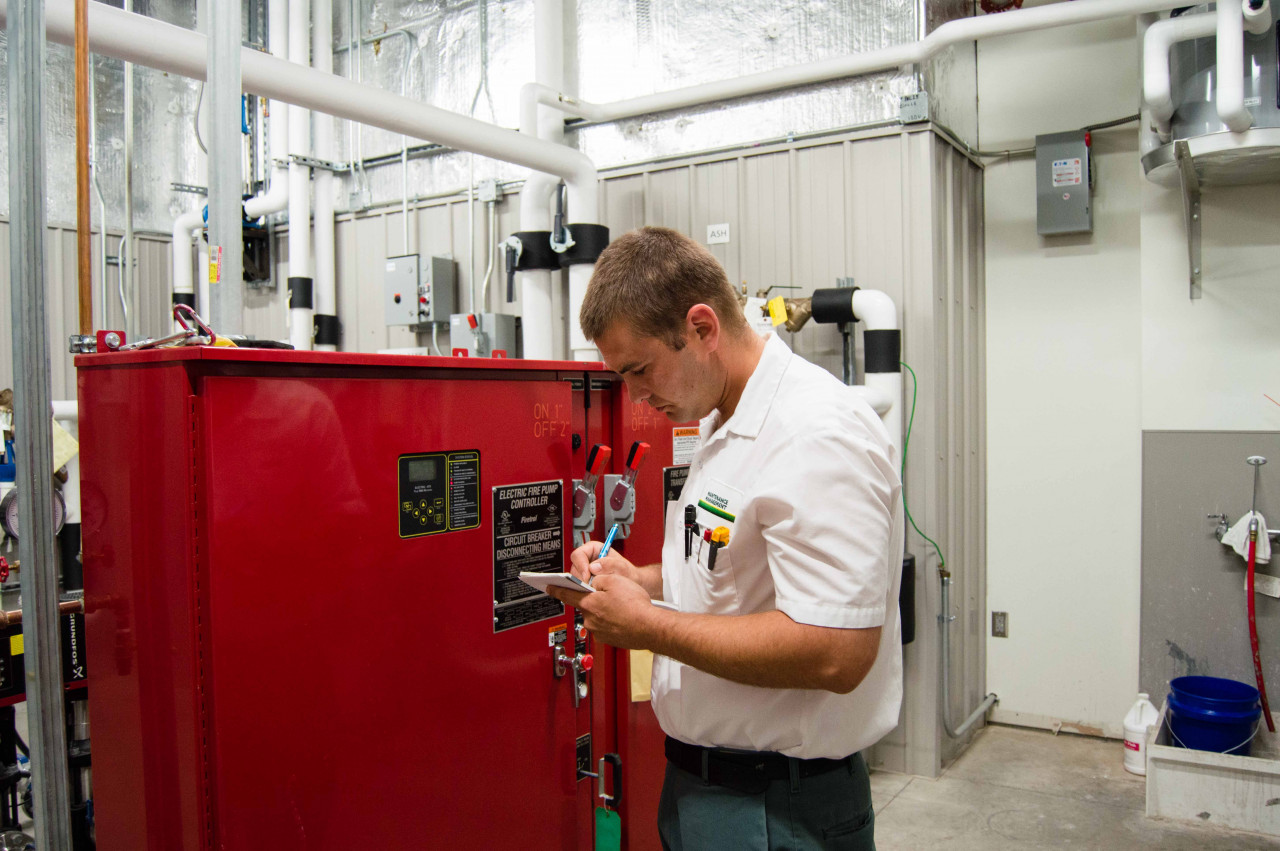
We help commercial building owners and property managers reduce surprises, control operating costs, and keep properties running well through structured maintenance planning and dependable service. If you are interested in building a preventative maintenance plan specific to your property, we can help.
Contact us to learn how.